Clase II
Celula Vegetal (Eukariota)

Celula Animal (Eucariota)
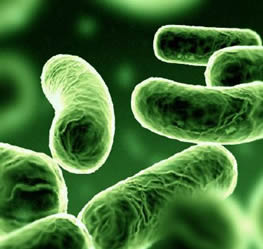
 Celula Procariota

Celula Animal (Eucariota)
| ESTRUCTURA U ORGANELA | FUNCIÓN | PRESENTE EN | |
| MEMBRANA CELULAR | Aísla el contenido celular del medio | Animal y vegetal | |
| Comunicación con otras células | |||
| Regula el movimiento de material que entra y sale | |||
| NÚCLEO | Contiene los cromosomas | Animal y vegetal | |
| Tiene membrana nuclear | Delimita el núcleo | ||
| Regula el movimiento de materiales | |||
| Tiene poros | |||
| MITOCONDRIAS | Producen energía en metabolismo aeróbico (Ciclo de Krebs) | Animal y vegetal | |
| Tienen su propio ADN | |||
| APARATO DE GOLGI | Sintetiza carbohidratos | Animal (en vegetal – Dictiosoma) | |
| Modifica y empaca proteínas y lípidos | |||
| RETÍCULO ENDOPLASMATICA | Síntesis de componentes de membranas y lípidos | Animal y vegetal | |
| RIBOSOMAS | Síntesis de proteínas | Animal y vegetal | |
| VACUOLA | Contiene agua y desechos | vegetal | |
| CENTRÍOLOS | Forman microtúbulos de cilios y flagelos y huso mitotico | Animal y vegetal | |
| LISOSOMAS | Contienen enzimas digestivas intracelulares | Animal | |
| PLASTIDIOS | Almacenan pigmentos y alimentos | vegetal | |
| CLOROPLASTOS | Realizan fotosíntesis | vegetal | |
| PARED CELULAR | Le da rigidez, sostén y protección a la célula | vegetal | |

Comentarios
Publicar un comentario